Annie Au

E-RYT 500, Writer
Annie is the lead trainer of the Yin Yang Yoga Teacher Training at All Yoga. She is also the creator of the Soulful Yin Yoga Method, the only Yin Yoga teacher training that specializes in the emotional side of yin yoga and Chinese meridians. Annie embarked on her spiritual journey over 10 years ago. Struggled with anxiety most of her adult life, Annie was tired of living life in chronic fear & despair, she searched for ways to reclaim her happiness. In the last decade, Annie traveled around the world leading yoga teacher trainings while exploring her own spiritual path.
From studying Taoism and Chinese meridians, Anne recognizes the intrinsic connection between our body and emotions. If our physical health declines, it directly affects our mood and therefore affects how we make choices in life. This finding has propelled Annie to create a course that helps others to connect with their emotions so that they can cultivate balances in life.
Applying the decade of experiences and knowledge Annie has acquired, her signature Soulful Yin Yoga Method is designed to help others become a master of their own emotions so that they can be in tune with their truest selves.
Annie holds a Bachelor Degree in Human Kinetics from the University of British Columbia. She is trained in Functional Range Conditioning (FRC) and specializes in yoga anatomy. Annie’s approachable teaching method helps students understand their body and practice more intelligently.
Currently, Annie lives in Sri Lanka with her husband and travels to Thailand several times per year leading 200hr Yin Yang Yoga Teacher Trainings.
For free yin yoga, Chinese meridians, and emotional healing tips, follow her on Instagram here.
Posts by Annie Au:
It is virtually impossible to avoid the inevitable plateau in our yoga practice. In the early phase, we are like babies soaking up every drop of yoga knowledge available within our grasp. We are challenged by new postures and fascinated by the tranquillity meditation brings. But after a while, postures that used to be challenging are now mundane, you've reached your 'hit list' of yoga poses, and never seem to reach the enlightened state that meditation promises. Slowly our yoga practice stagn
read moreAre you dreaming of becoming a yoga teacher ? Before committing to the practice, it’s crucial to know that a 200 Hour Yoga Teacher Training is not just a place to learn how to lead yoga classes. It should be a sacred space for you to explore your practice, deepen your understanding of yourself, and stretch into your infinite potential. Sadly, with the rising emergence of yoga teacher trainings around the world, it is difficult to decipher which are the high quality programs and which ar
read moreFull of endless beaches, timeless ruins, rolling surf and flavorful food, Sri Lanka has been hiding in plain sight for many years. Hidden no more, CNN travel’s ranked Sri Lanka as one of the 20 best places to visit in 2020. Over the last few years, Sri Lanka has been an increasingly popular spot for yoga teacher training. One of the many reasons is that Sri Lanka’s Buddhist culture is rooted in the local’s everyday lives, which makes this land even more of an ideal place to connect with
read more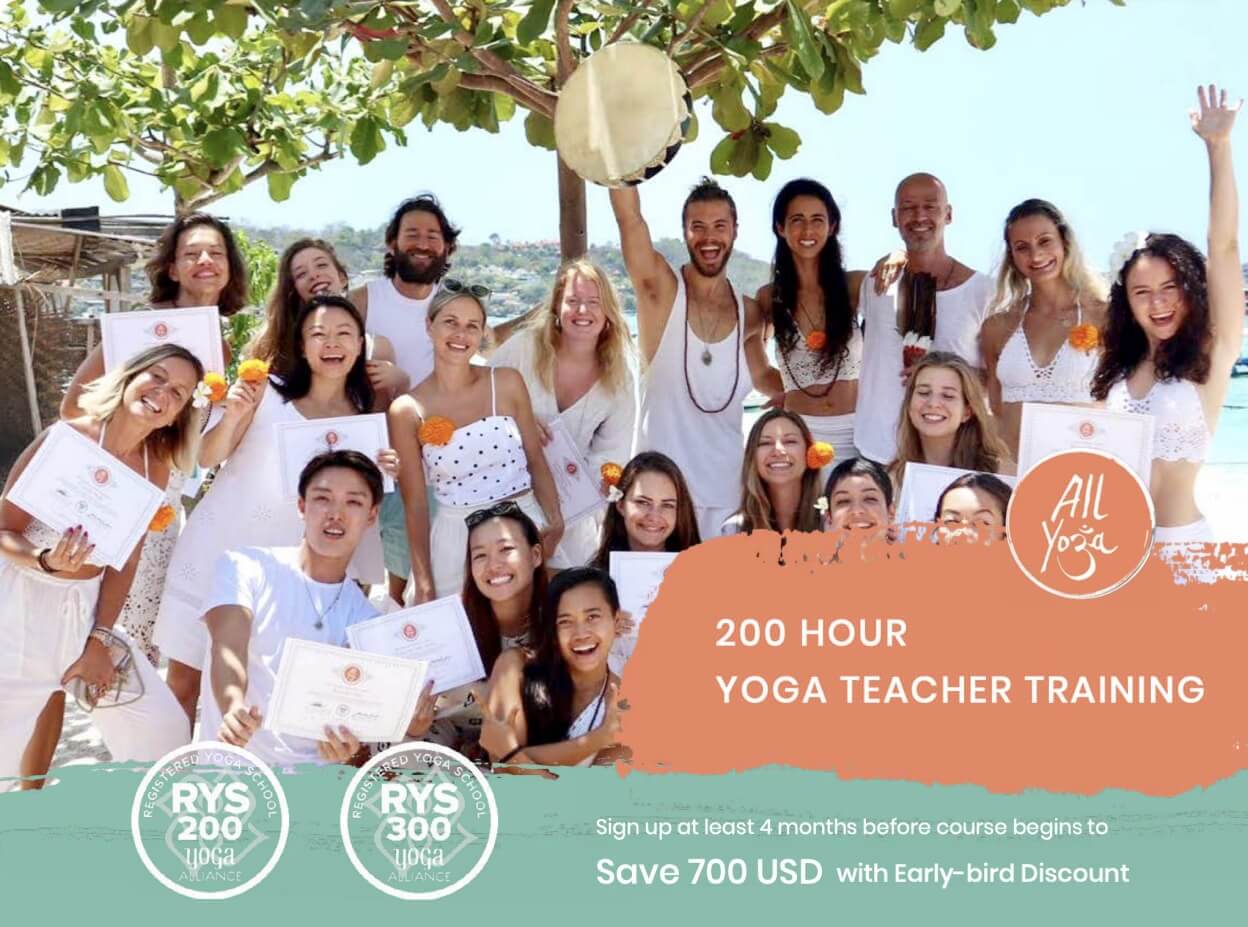
Get our 200 hour Yoga
Teacher Training Brochure Now!
Get a full summary:
- Course Curriculum
- Price & Special Discount
- Accommodation
- Requirements
- And all other details
Copyright © 2024, All Yoga International ltd. All Rights Reserved
Privacy Policy